
University
of Pécs
Research questions, knowledge and specialist connections.
ABOUT
Backed by PTE Inno-Capital, Ultra-Precision Hungary connects ultra-precision machining, engineering development and research. Based in Pécs, we turn clearly defined requirements into manufacturable components and results that can be evaluated.
ULTRA-PRECISION HUNGARY
Scientific curiosity, engineering judgement and advanced manufacturing technology connect the smallest surface feature with the wider application.
How collaboration starts ↗WHAT CONNECTS US
A shared engineering language connects scientific questions with industrial needs.
Research questions, knowledge and specialist connections.
Connecting knowledge with industry needs.
Machining tasks, inspection plans and the next development step.
PÉCS · UNIVERSITY AND INDUSTRY
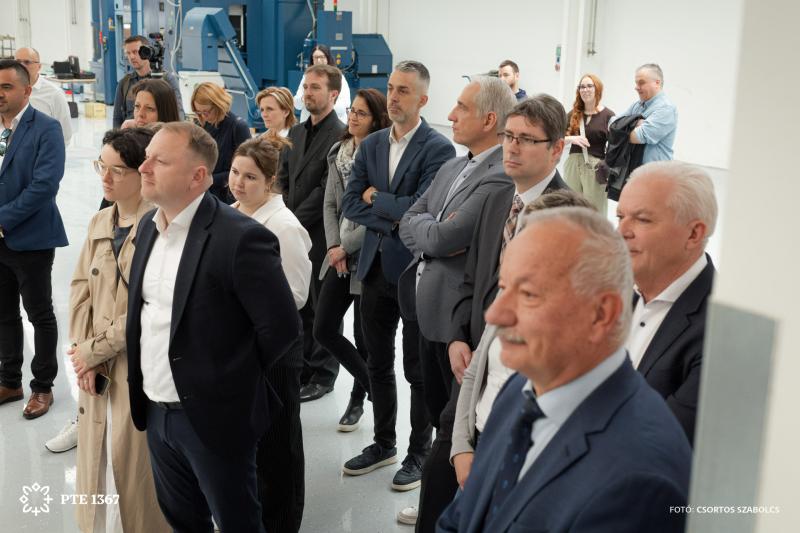
The PTE–MATRO centre brings specialist machining for THz research into an industrial setting. This is part of the engineering and research environment behind Ultra-Precision Hungary.
Official university report (Hungarian)ENGINEERING IN DETAIL
Ultra-Precision Hungary is backed by PTE Inno-Capital and its owner, the University of Pécs. The university describes Inno-Capital as its wholly owned technology-transfer company, supporting the commercial application of research knowledge and infrastructure.
This connection is the reason for our initiative. Resolving a technology question requires an understanding of the physical phenomenon, a suitable manufacturing process and a collaboration with clear responsibilities, timing and verifiable deliverables.
The university on the role of technology transfer (Hungarian) ↗
A specialised optical surface or crystal structure is often the critical step between a research plan and a working device. When machining, inspection and the next experiment take place far apart, it becomes harder to feed what has been learned back into development.
Established in 2026, the PTE–MATRO Ultra-Precision Machining Centre strengthened local capability in crystal and optical machining. The university’s announcement connects THz source research with operation in an industrial environment. Ultra-Precision Hungary makes this engineering direction accessible to partners seeking collaboration.
The starting point may be a finished drawing, an experimental idea or an unresolved functional problem. We first distinguish the manufacturing task from the measurement question and identify what requires research.
Partners can then define their development task alongside the specialist input it needs. Research involvement, access to infrastructure and the use of results are agreed for each project. The aim is a clear process for communication and decisions.
The Innolite IL600 is our machining platform. Its processes are always selected around the component’s function: why does the surface have this shape, which characteristics affect performance, and how should the finished part be evaluated?
This is our common approach to optical tool inserts, reflective components, sensor-system parts and microstructured research samples. Discussion before machining establishes measurable objectives and traceable steps.
The scope reflects the stage of development. An exploratory study, a build-to-print component, a joint research programme and a pilot batch are different tasks. We define roles, technical scope, data handling and the use of results at the outset.
CONNECTED ENGINEERING
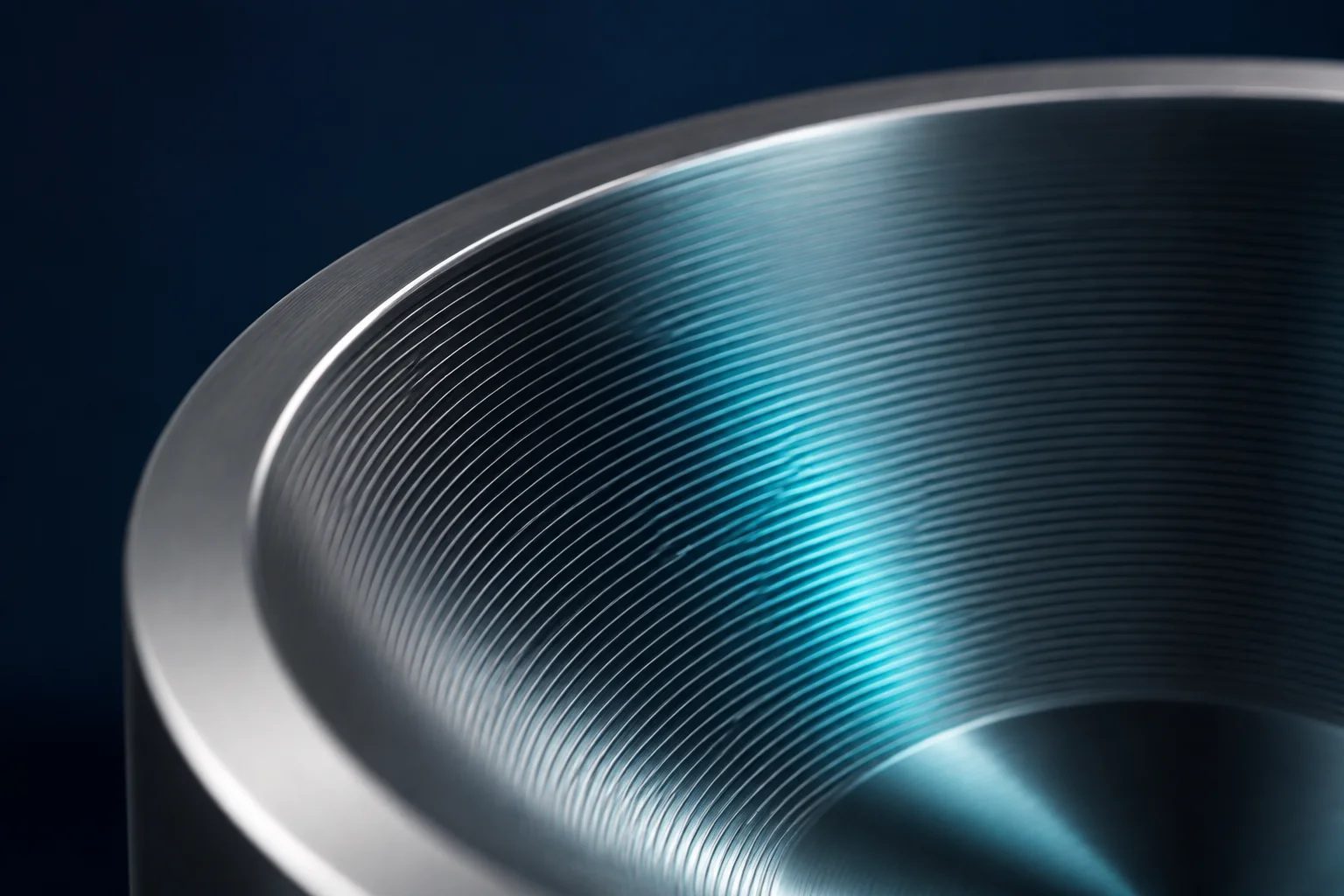
Conceptual illustration of our engineering approach.
THE NEXT STEP
Tell us about its function, material and critical engineering question. Together, we can define a feasibility review or a focused first trial.