
Technology transfer · 2026-10-06
Proof of concept: when does a trial component provide evidence?
The approach of PTE Inno-Capital’s programme and the boundaries of an engineering trial.
Editorial insight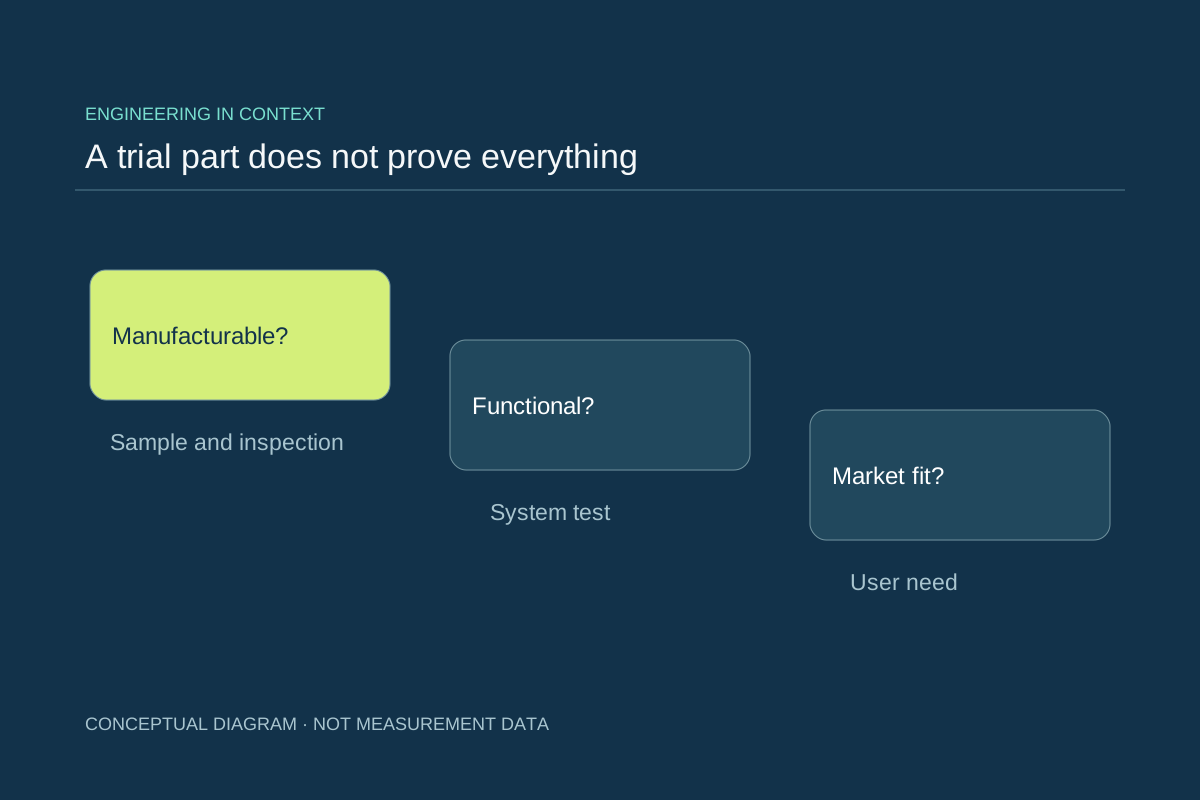
Illustrative diagram or concept image · Not a manufactured component or measurement result.
Programme purpose · the next step for research
PTE’s 2026 Proof of Concept call supports the path from research findings towards application through technological and market assessment. The programme is operated by PTE Inno-Capital. Calls have defined rounds and conditions; this page does not imply continuously open funding.
Three distinct kinds of evidence
A manufacturing trial asks whether the surface can be produced. A functional demonstration asks how the component performs in a system. Market assessment asks which user problem it may solve.
An evaluated trial component can inform the first two questions. It does not by itself establish series-production cost, customer demand or overall product readiness.
Defining an UPH work package
Go beyond “make a prototype”. Specify the uncertainty, sample geometry, evaluation and condition for proceeding. One example is machining the steepest region of a microlens group and comparing it with the nominal profile.
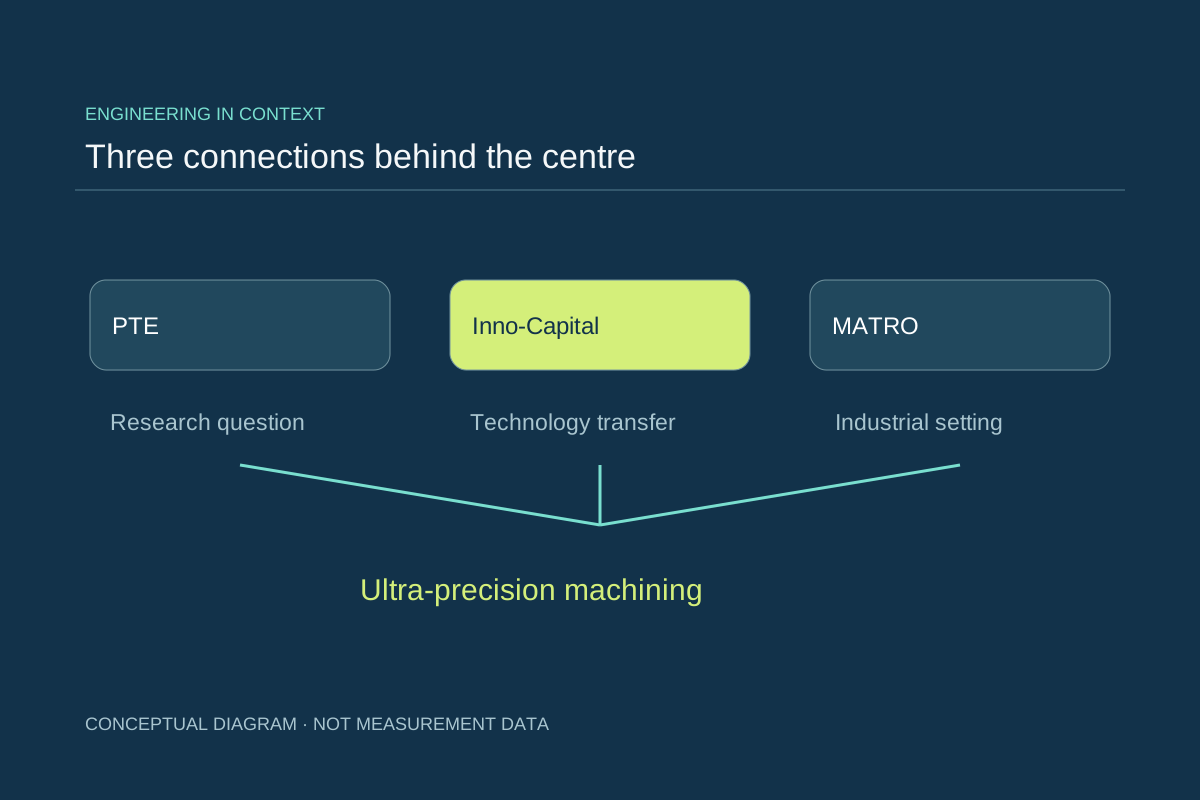
Inno-Capital connects research and business needs; programme eligibility is assessed separately.
PTE Proof of Concept 2026 · official call (Hungarian) Discuss an engineering trial
Related articles
 University news
2026-04-16
An ultra-precision centre connecting research and industry in Pécs
An editorial overview of the university’s official announcement about the new machining centre.
Read article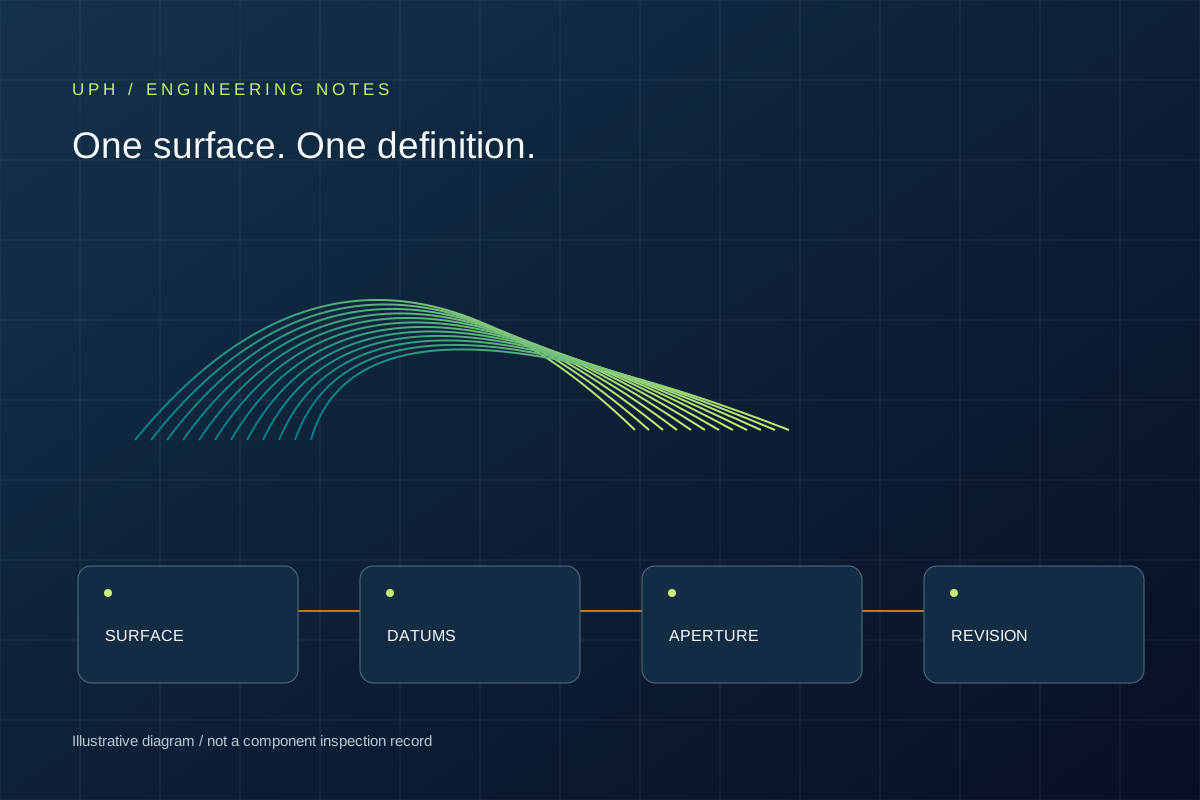 Engineering guide
2026-10-07
Freeform optics: what should accompany the CAD model?
Surface equations, coordinates, aperture and revision: checkpoints for the digital handover before machining.
Read article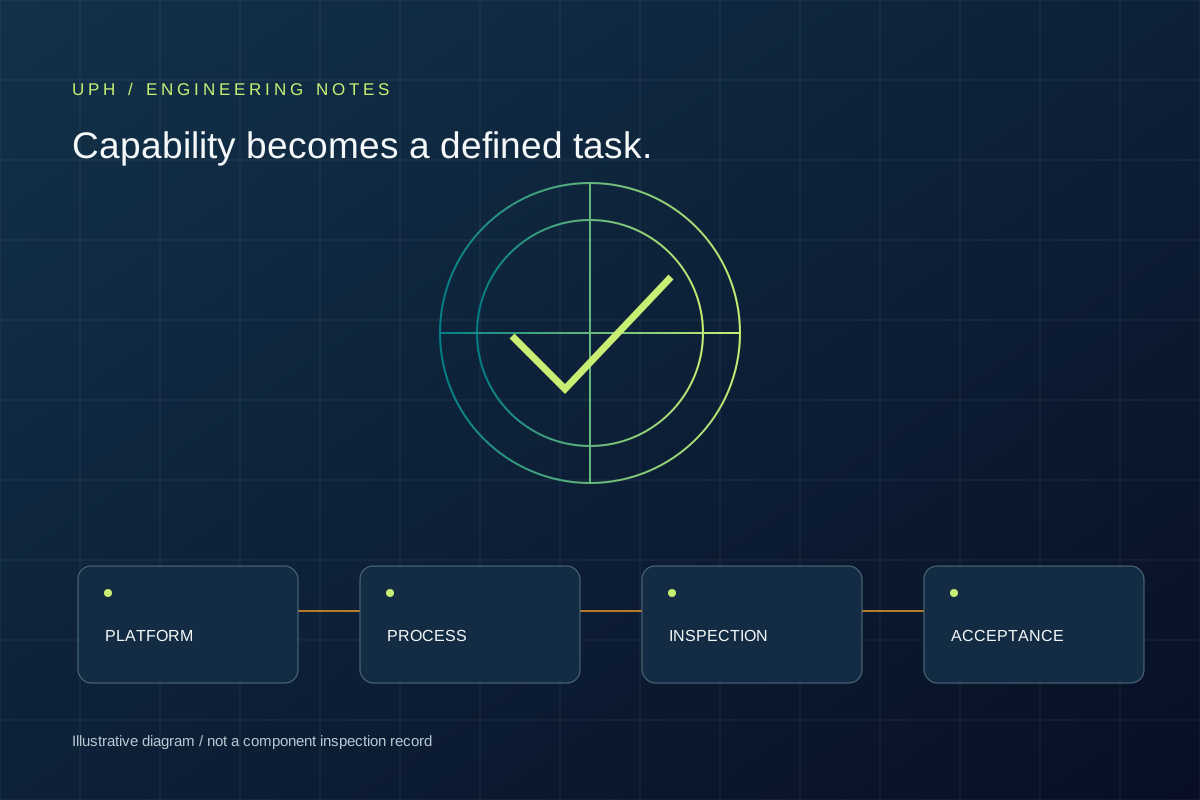 Engineering guide
2026-10-07
From the IL600 datasheet to component acceptance
What does a machine specification mean, and how does it become a clear, verifiable component requirement?
Read articleCONNECTED ENGINEERING
Details reveal the bigger picture.
- 01Question
- 02Context
- 03Insight
Conceptual illustration of our engineering approach.
THE NEXT STEP
Let’s talk about your next component.
Tell us about its function, material and critical engineering question. Together, we can define a feasibility review or a focused first trial.